Call nowAddress
 

Risks and Benefits

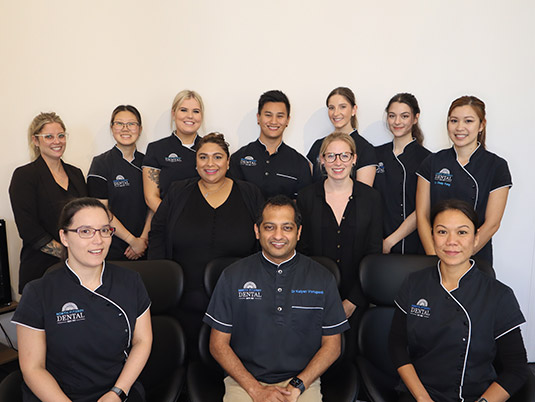
North-Fitzroy-Dental-Team-image

At North Fitzroy Dental, we are a comprehensive care clinic focused on providing the highest standard of patient care. Our priority is your overall health and well-being, not just your smile. We ensure our patients are well informed about the services we offer and are committed to finding the most suitable solutions for your long-term oral health.

We believe in a holistic approach to dentistry, recognising the connection between oral health and overall well-being. Our patients receive tailored treatment plans designed to minimise factors that impact long-term oral health and to prevent unnecessary work in the future. We focus on prevention and minimally invasive care, and we will always recommend the most conservative option appropriate for your needs.

In some cases, cosmetic, surgical, or restorative treatment may be suitable to improve the appearance, strength, or function of your teeth. While these treatments can provide positive outcomes, they also carry potential risks.

Below is an overview of the treatments we offer and some of the associated risks and side effects. This list is not exhaustive, and additional considerations may apply depending on your individual circumstances. Undergoing any treatment is an important decision, and we encourage all patients to discuss specific risks and suitability with a registered dental practitioner during their consultation.

Information & Considerations

+ - Veneers (Porcelain & Composite)

Veneers can be used to refine the appearance of your teeth and restore harmony to your smile. While they can deliver excellent results, they involve preparation of your natural teeth and carry certain risks that should be understood before treatment begins.

Treatment Duration

  • Treatment is typically completed over 2 to 6 visits, depending on whether porcelain or composite veneers are chosen and the complexity of your case.
  • Most patients are able to continue with their usual daily activities throughout this process.

Key Risks & Considerations

  • Tooth preparation: A thin layer of enamel may need to be removed. This process is irreversible.
  • Sensitivity: Some patients experience temporary or prolonged sensitivity to hot, cold, or biting pressure.
  • Durability: Although porcelain and composite are durable, veneers may chip, crack, or detach, particularly in those who grind or clench their teeth.
  • Colour and shade matching: Veneers are colour-matched to your existing teeth, but perfect uniformity is not always achievable.
  • Gum and oral health: Gum irritation or inflammation may occur, especially if oral hygiene is not maintained or the veneer edges are compromised.
  • Longevity: Veneers are not permanent. Over time, they may require replacement due to wear, damage, or changes in the surrounding teeth and gums.
  • Rare reactions: Allergic or adverse responses to dental materials or local anaesthetic are possible, though uncommon.

Recovery Expectations

  • Most patients continue with daily activities without interruption.
  • Mild sensitivity or gum tenderness can last for days to weeks and typically improves with time.
  • Adjustments to your bite may be required for comfort.
  • Full settling of the veneers usually occurs within two weeks.
  • Long-term success depends on consistent oral hygiene and regular dental reviews

Your dentist will explain the specific risks and suitability of veneers for your individual circumstances
during your consultation.

+ - Aligners (Invisalign/Angel Align)

Clear aligners can gradually reposition teeth to improve alignment and function in a discreet way. While they are a popular alternative to traditional braces, aligner therapy involves important considerations and potential risks that should be understood before starting treatment.

Treatment Duration

  • Treatment can range from several months to over two years, depending on the complexity of tooth movement required.
  • Success depends heavily on compliance, with aligners needing to be worn 20 to 22 hours per day as directed.
  • Retainers are required after treatment, often indefinitely, to help maintain tooth position.

Key Risks & Considerations

  • Discomfort: Mild tenderness or pressure is common when changing to a new aligner.
  • Oral health: Poor hygiene during treatment can increase the risk of decay, gum disease, or enamel marks.
  • Speech changes: Some patients experience temporary lisping or altered speech.
  • Functional effects: Aligners may increase saliva flow or cause mouth dryness.
  • Attachments and adjustments: Tooth-coloured attachments, elastics, or slenderising may be needed. These carry their own minor risks, such as enamel wear or irritation.
  • Complex cases: Severe misalignment may require additional orthodontic procedures beyond aligners.
  • Relapse: Teeth can shift if retainers are not worn consistently after treatment.
  • Pre-existing conditions: Teeth with large fillings, trauma, or reduced bone support may respond less predictably.

Recovery Expectations

  • Mild discomfort is most noticeable for the first few days of a new aligner.
  • Most patients adapt quickly and continue with daily activities without interruption.
  • Speech changes usually resolve within one to two weeks.
  • Retainers must be worn long-term to maintain results.

Your dentist will explain the specific risks and suitability of Invisalign or other clear aligner treatments for your individual circumstances during your consultation.

+ - Dental Implants

Dental implants are used to replace one or more missing teeth, while full-arch implant solutions such as All-Teeth-On-Implants provide support for a complete set of upper or lower teeth. These treatments can restore function and appearance, but they involve surgery and carry specific risks that should be considered carefully.

Treatment Duration

  • Treatment is usually completed over several appointments, often taking three to six visits depending on case complexity.
  • Healing and integration of implants into the jawbone can take several months before final restorations are placed.
  • Temporary restorations may be used during the healing phase.

Key Risks & Considerations

  • Surgical risks: Swelling, bruising, bleeding, or infection may occur after surgery.
  • Nerve involvement: In lower jaws, implant placement near nerves may cause altered or reduced sensation in the lip, chin, or tongue. This is rare and usually temporary, but in some cases it may persist.
  • Sinus complications: In upper jaws, implants positioned near the sinuses may lead to sinus involvement or require additional procedures such as sinus lifts.
  • Implant failure: In some cases, implants may not integrate with the bone and will need to be removed and replaced.
  • Additional procedures: Bone grafting or sinus augmentation may be recommended to provide sufficient support. Each of these procedures carries its own risks.
  • Medical considerations: Conditions such as diabetes, osteoporosis, or smoking may affect healing and long-term stability.
  • Maintenance: Implants require ongoing reviews and strict oral hygiene to prevent gum disease around the implant, known as peri-implantitis.

Recovery Expectations

  • Swelling and bruising typically peak around day three to four after surgery and gradually subside.
  • Bleeding may occur for 24 to 48 hours after surgery.
  • Pain or discomfort is expected during the initial recovery and is usually managed with prescribed medication.
  • Most patients return to light daily activities within a few days but should avoid strenuous activity for at least a week.
  • Healing continues for weeks to months as the implant bonds with the bone.
  • Regular dental reviews every four to six months are essential to monitor the health and stability of the implant.

Your dentist will explain the specific risks and suitability of dental implants or full-arch implant treatment for your individual circumstances during your consultation.

+ - Teeth Whitening

Professional whitening can lighten the colour of natural teeth and refresh the overall appearance of your smile. While widely performed, whitening treatments involve important considerations and possible side effects that vary between individuals.

Treatment Duration

  • In-chair whitening typically takes one to two hours in a single appointment.
  • Take-home whitening kits are used over one to two weeks, depending on the product and your dentist’s instructions.
  • Some patients may require combination treatment for optimal results.

Key Risks & Considerations

  • Tooth sensitivity: Temporary sensitivity to hot or cold is the most common side effect.
  • Gum irritation: Whitening gel can irritate soft tissues if it comes into contact with them.
  • Uneven results: Teeth with intrinsic staining, previous dental work, or varying enamel thickness may not whiten evenly.
  • Treatment limitations: Whitening does not change the colour of veneers, crowns, or fillings.
  • Maintenance: Whitening results fade over time and may require future treatments.
  • Rare risks: Allergic or adverse reactions to whitening materials.

Recovery Expectations

  • Most patients resume daily activity immediately after treatment.
  • Sensitivity, if present, usually subsides within a few days.
  • Avoiding highly pigmented foods and drinks in the first 24 to 48 hours helps maintain results.

Your dentist will explain the specific risks and suitability of whitening treatments for your individual circumstances during your consultation.

+ - Gum Treatment

Gummy smile contouring, also known as gum reshaping, is a cosmetic procedure used to alter the amount of gum tissue visible when smiling. This treatment can create a more balanced appearance, but it involves reshaping healthy tissue and therefore carries important considerations.

Treatment Duration

  • Most procedures are completed in a single appointment, though follow-up visits may be required for review.
  • Depending on the extent of gum reshaping, treatment can take 30 to 90 minutes.
  • Healing time varies and may influence the timing of any additional cosmetic treatments, such as veneers.

Key Risks & Considerations

  • Gum regrowth: In some cases, the gum tissue may regrow partially, affecting the final appearance.
  • Sensitivity: Teeth may feel more sensitive to hot or cold as the gum line is altered.
  • Infection risk: As with all surgical procedures, infection is a possibility if proper aftercare is not followed.
  • Aesthetic variation: Outcomes may not always match expectations due to natural differences in gum and tooth structure.
  • Gum recession: Removing gum tissue may expose more of the tooth root over time.
  • Additional procedures: Some patients may require further contouring or adjunctive cosmetic treatments to achieve the desired effect.
  • Rare risks: Reactions to anaesthetic or post-operative complications such as delayed healing.

Recovery Expectations

  • Mild swelling, tenderness, and minor bleeding may occur for several days.
  • Most patients resume daily activities within one to two days, but healing continues over one to two weeks.
  • Soft foods and gentle brushing are recommended during the healing phase.
  • Regular reviews are important to assess healing and ensure the gum line remains stable.

Your dentist will explain the specific risks and suitability of gummy smile contouring for your individual circumstances during your consultation.

+ - Dental Braces

Dental braces use brackets and wires to gradually reposition teeth and improve alignment. While they remain an effective orthodontic option, braces involve long-term treatment and carry considerations that should be understood before starting.

Treatment Duration

  • Treatment usually ranges from 12 to 36 months, depending on case complexity.
  • Regular adjustments are required every four to eight weeks.
  • Retainers must be worn after treatment to help maintain tooth position.

Key Risks & Considerations

  • Discomfort: Mild pain or pressure is common after adjustments.
  • Irritation: Brackets and wires may rub against lips, cheeks, or gums, causing temporary soreness.
  • Oral hygiene challenges: Braces can make cleaning more difficult, increasing the risk of tooth decay and gum disease if hygiene is not maintained.
  • Root resorption: In rare cases, tooth roots may shorten during orthodontic treatment.
  • Gum changes: Gums may swell or recede depending on individual response and hygiene.
  • Relapse: Teeth may shift after treatment if retainers are not worn consistently.
  • Breakages: Brackets or wires may break or come loose, requiring unscheduled visits

Recovery Expectations

  • Discomfort usually resolves within a few days after each adjustment.
  • Patients typically adapt to speaking and eating with braces within the first few weeks.
  • Long-term success depends on good oral hygiene, regular orthodontic reviews, and consistent retainer wear after treatment.

Your dentist will explain the specific risks and suitability of braces for your individual circumstances during your consultation.

+ - Dental Extractions (Including Wisdom Teeth)

Tooth extractions, including the removal of wisdom teeth, are sometimes necessary when teeth are severely damaged, decayed, or causing complications such as crowding or infection. While extractions are routine procedures, they involve surgery and carry specific risks.

Treatment Duration

  • A straightforward extraction may take a single appointment.
  • Surgical extractions, particularly of impacted wisdom teeth, may take longer and require additional planning.
  • Follow-up appointments may be scheduled to monitor healing.

Key Risks & Considerations

  • Swelling and bruising: Common after surgical extractions and may last for several days.
  • Bleeding: Light bleeding is expected for up to 24 hours. Persistent or heavy bleeding is uncommon.
  • Infection: Can occur at the extraction site if proper aftercare is not followed.
  • Dry socket: A painful condition that occurs if the blood clot is dislodged from the socket.
  • Nerve involvement: Particularly with lower wisdom teeth, there is a small risk of temporary or, in rare cases, permanent altered sensation in the lip, chin, or tongue.
  • Adjacent teeth: Surrounding teeth or dental restorations may be affected during removal.
  • Jaw stiffness: Temporary difficulty opening the mouth can occur after surgery.

Recovery Expectations

  • Rest is recommended for 24 to 48 hours following extraction.
  • Swelling usually peaks by day three and subsides gradually.
  • Soft foods and avoidance of vigorous rinsing or smoking help protect healing.
  • Full recovery typically takes one to two weeks, depending on the complexity of the extraction and the individual’s healing response.
  • Follow-up care may be required to remove sutures or assess healing.

Your dentist will explain the specific risks and suitability of dental extractions, including wisdom teeth removal, for your individual circumstances during your consultation.

+ - Sleep Dentistry

Sleep dentistry and general anaesthetic may be recommended for patients who require complex procedures, or who experience significant anxiety about dental treatment. These techniques allow treatment to be carried out while you are in a deeply relaxed or fully unconscious state. While they can provide comfort and convenience, both sedation and general anaesthetic carry important medical considerations.

Treatment Duration

  • The duration depends on the procedure being performed under sedation or anaesthetic.
  • Additional time is needed before and after treatment for preparation, monitoring, and recovery.
  • A pre-treatment medical assessment will determine your suitability and identify any potential risks.

Key Risks & Considerations

  • Medical suitability: Pre-existing health conditions and certain medications may affect your eligibility.
  • Sedation risks: Drowsiness, nausea, dizziness, or delayed alertness are common after-effects.
  • Anaesthetic risks: Although uncommon, complications involving breathing, heart function, or allergic reactions may occur.
  • Monitoring: A qualified anaesthetist is always present to ensure safety throughout the procedure.
  • Post-procedure restrictions: Patients must not drive, operate machinery, or make important decisions for at least 24 hours.
  • Dependence on support: You will need someone to accompany you home and assist you during the initial recovery period.

Recovery Expectations

  • Most patients feel drowsy for several hours after the procedure.
  • Nausea or grogginess may occur but generally resolves within a day.
  • Some patients may take longer to feel fully normal, depending on their medical history and the duration of the procedure.
  • A gradual return to normal activities is recommended, with complete rest on the day of treatment.

Your dentist and anaesthetist will explain the specific risks and suitability of sleep dentistry or general anaesthetic for your individual circumstances during your consultation.

+ - Dentures

Dentures are removable appliances designed to replace multiple missing teeth or a full arch of teeth. They can restore function and appearance, but they require an adjustment period and ongoing maintenance. Like all dental treatments, dentures carry certain risks that should be carefully considered.

Treatment Duration

  • Denture fabrication generally requires several appointments over a few weeks.
  • Appointments include impressions, bite registration, try-in stages, and final fitting.
  • Follow-up visits are usually required for adjustments to improve comfort and function.

Key Risks & Considerations

  • Initial discomfort: New dentures often feel bulky and may cause sore spots or pressure areas.
  • Speech and eating: Adaptation is needed to speak clearly and chew comfortably.
  • Fit and stability: Dentures may loosen over time as gums and bone naturally change.
  • Bone resorption: Jawbone shrinkage can occur, affecting fit and long-term stability.
  • Breakage: Dentures can fracture if dropped or placed under excessive biting forces.
  • Maintenance: Dentures require daily cleaning and care to prevent oral infections and odour.
  • Adjustments and relines: Periodic adjustments or relining may be necessary to maintain comfort and function.

Recovery Expectations

  • Adaptation can take several weeks to months.
  • Sore spots or irritation are common in the early stages and usually improve with adjustments.
  • Regular follow-up appointments are important to ensure proper fit and to make modifications as needed.
  • Long-term success depends on maintenance, oral hygiene, and periodic replacement of the dentures

Your dentist will explain the specific risks and suitability of dentures for your individual circumstances during your consultation.

+ - Periodontal (Gum) Treatment

Periodontal treatment is provided to manage gum disease, which can affect the gums and bone supporting your teeth. Treatment may involve deep cleaning below the gum line or, in advanced cases, surgical procedures. These approaches help stabilise gum health, but they carry specific considerations.

Treatment Duration

  • Early-stage treatment, such as scaling and root planing, may be completed in one or two appointments.
  • Advanced cases may require several sessions or surgical intervention performed over time.
  • Ongoing maintenance is essential, often scheduled every three to four months.

Key Risks & Considerations

  • Tenderness and bleeding: Temporary gum soreness and bleeding are common after treatment.
  • Gum recession: As inflammation reduces, gums may recede, exposing more of the tooth surface.
  • Tooth mobility: Some teeth may feel looser during healing as the gum and bone adapt.
  • Aesthetic changes: Gum recession can make teeth appear longer.
  • Incomplete resolution: In severe cases, gum disease may not fully resolve and may require ongoing care.
  • Systemic factors: Conditions such as diabetes or smoking may reduce the success of treatment.

Recovery Expectations

  • Non-surgical treatment usually heals within one week.
  • Surgical treatment may take longer, sometimes requiring stitches or dressings.
  • Sensitivity to hot, cold, or pressure may persist temporarily.
  • Long-term stability depends on consistent oral hygiene and regular professional maintenance.

Your dentist will explain the specific risks and suitability of periodontal treatment for your individual circumstances during your consultation.

+ - Root Canal Therapy

Root canal treatment is performed when the soft tissue inside a tooth, known as the pulp, becomes inflamed or infected. The procedure aims to preserve the natural tooth by cleaning and sealing the internal root canals. While highly effective, root canal therapy involves important considerations and potential risks.

Treatment Duration

  • Treatment may take one to three appointments, depending on the complexity of the tooth and the extent of infection.
  • Each visit generally lasts between 60 and 90 minutes.
  • A crown or other restoration may be recommended afterward to strengthen the treated tooth.

Key Risks & Considerations

  • Discomfort: Mild pain or sensitivity can occur between appointments or after completion.
  • Infection or reinfection: Bacteria may remain inside the canal or re-enter later, requiring retreatment or extraction.
  • Structural weakness: Teeth that have undergone root canal treatment may be more brittle and susceptible to fracture.
  • Incomplete cleaning: In rare cases, complex canal anatomy may prevent complete cleaning and sealing.
  • Additional treatment: If a tooth cannot be successfully treated, extraction may become necessary.
  • Rare risks: Allergic or adverse reactions to local anaesthetic or dental materials.

Recovery Expectations

  • Most patients return to daily activities immediately after treatment.
  • Temporary discomfort is common and usually managed with over-the-counter or prescribed medication.
  • Any tenderness typically subsides within a few days.
  • Long-term success depends on completing the recommended final restoration and maintaining good oral hygiene.

Your dentist will explain the specific risks and suitability of root canal treatment for your individual circumstances during your consultation.

+ - Dental Fillings

Tooth restorations repair damage caused by decay, fractures, or wear. Materials such as composite resin, porcelain, or ceramic are used depending on the tooth and the extent of treatment needed. While these restorations restore function and appearance, they involve certain risks.

Treatment Duration

  • Small fillings are usually completed in a single appointment of 30 to 60 minutes.
  • Larger inlays and onlays may require two visits, with laboratory fabrication in between.
  • Temporary restorations may be placed while the final restoration is prepared.

Key Risks & Considerations

  • Sensitivity: Temporary sensitivity to hot, cold, or biting pressure is common and usually resolves.
  • Durability: Restorations may chip, crack, or wear down over time.
  • Marginal leakage: If a restoration does not fully seal the tooth, further decay may occur underneath.
  • Underlying tooth condition: Extensive damage may weaken the tooth, sometimes requiring further treatment such as a crown or root canal.
  • Colour matching: Composite and porcelain are shade-matched, though perfect uniformity may not always be possible.
  • Replacement: Restorations are not permanent and may eventually need replacement.
  • Rare risks: Allergic or adverse reactions to materials are possible.

Recovery Expectations

  • Most patients return to normal activities immediately.
  • Minor sensitivity usually settles within days but should be reviewed if persistent.
  • Longevity depends on the size of the restoration, oral hygiene, and regular check-ups.

Your dentist will explain the specific risks and suitability of tooth restoration options for your individual circumstances during your consultation.

+ - Dental Crown & Dental Bridges

Crowns and bridges are restorative options designed to strengthen damaged teeth or replace missing ones. Crowns cover and protect a single tooth, while bridges use neighbouring teeth to support one or more replacement teeth. Although they are durable and highly functional, both treatments involve irreversible changes to your natural teeth and carry important considerations.

Treatment Duration

  • Crowns typically require two appointments, one for preparation and one for fitting. Same day crowns may be available depending on technology used.
  • Bridges generally require two or more appointments, depending on the number of teeth involved.
  • Temporary restorations may be placed between appointments to protect the prepared teeth.

Key Risks & Considerations

  • Tooth preparation: A portion of natural tooth structure must be permanently reduced.
  • Sensitivity: Treated teeth may be sensitive to hot, cold, or pressure, particularly in the days after preparation.
  • Durability: Crowns and bridges may chip, crack, or become loose over time, especially with heavy biting or grinding habits.
  • Decay risk: Decay can develop at the margin of the crown or bridge if oral hygiene is not maintained.
  • Gum irritation: The surrounding gum tissue may become inflamed if the restoration does not fit well or if plaque accumulates.
  • Bridge-specific risks: Supporting teeth may carry additional stress, which could lead to wear, fracture, or the need for further treatment.
  • Replacement: These restorations are not permanent and may need to be replaced after years of use due to wear or changes in adjacent teeth and gums.
  • Rare risks: Reactions to dental materials or complications requiring additional treatment.

Recovery Expectations

  • Most patients return to normal activities immediately after each appointment.
  • Mild sensitivity or gum tenderness may last for several days and usually improves with time.
  • Temporary restorations may require extra care until the final crown or bridge is fitted.
  • Long-term success depends on regular dental check-ups, consistent oral hygiene, and avoiding excessive biting forces.

Your dentist will explain the specific risks and suitability of crowns or bridges for your individual circumstances during your consultation.

+ - Cosmetic Injectables

Cosmetic injectables, such as muscle relaxants and dermal fillers, may be used to address concerns related to facial aesthetics. These procedures are minimally invasive but involve the use of prescription-only medicines and therefore carry important considerations and potential risks.

Treatment Duration

  • Most injectable treatments take 30 to 60 minutes per session.
  • Results are temporary and typically last several months, requiring repeat treatments to maintain effect.
  • A consultation is required before treatment to confirm suitability.

Key Risks & Considerations

  • Common side effects: Temporary redness, swelling, bruising, or tenderness at the injection site.
  • Asymmetry: Results may vary between sides of the face and may require further treatment.
  • Functional changes: Muscle relaxants may temporarily affect facial movement in the treated area.
  • Infection: Although rare, infection at the injection site is possible.
  • Allergic or vascular reactions: Very rare but potentially serious complications can occur if product enters a blood vessel.
  • Treatment limitations: Results are not permanent and may not meet aesthetic expectations in every case.
  • Medical considerations: Patients with certain conditions or medications may not be suitable candidates.

Recovery Expectations

  • Most patients resume daily activities immediately.
  • Minor swelling or bruising usually resolves within a few days.
  • Patients are advised to avoid strenuous activity, alcohol, and heat exposure for 24 hours after treatment.
  • Final results may take several days to appear, depending on the product used.

Your dentist will explain the specific risks and suitability of cosmetic injectables for your individual circumstances during your consultation.

We don’t just care about your teeth, we care about your health.